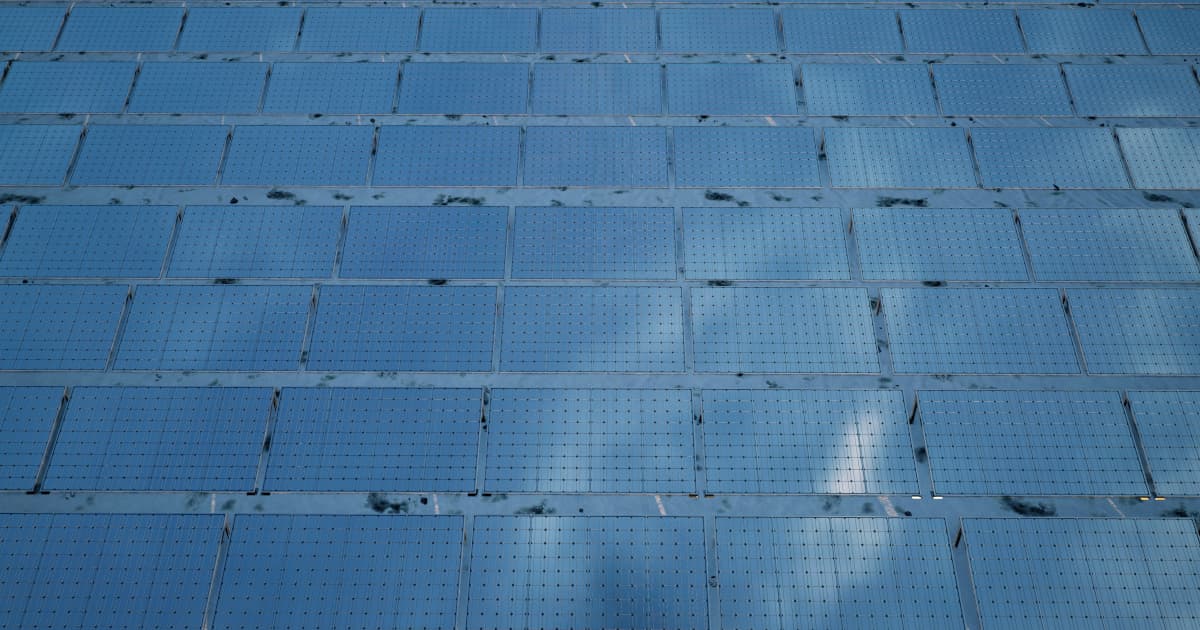
PowerBank Corporation has secured all required municipal approvals for two 14.4 MW solar projects in the community of Skaneateles in upstate New York. The company announced that it has obtained all municipal approvals, including variances, site plan approval, and a special use permit for the projects that will be built on industrial brownfield sites in Onondaga County. The projects support New York's Climate Leadership and Community Protection Act goal of 6 GW of solar capacity by 2025. This approach provides an environmentally beneficial reuse of sites that have otherwise limited economic potential. By installing panels on these brownfields, PowerBank is addressing land use challenges while contributing to the state's renewable energy targets.
The company is now awaiting approval from the New York Department of Environmental Conservation and intends to begin construction if approval and financing are received. Once operational, the projects will provide clean energy to the grid, with subscribers earning credits on their electricity bill every month through the community solar initiative. The community solar model allows multiple subscribers to benefit from solar energy without installing panels on their own properties, making renewable energy more accessible to residents and businesses in the area. The Finger Lakes region project represents a significant step in New York's transition to cleaner energy sources while demonstrating how industrial brownfield sites can be transformed into productive assets for local communities.
PowerBank has more than 100 MW of completed projects and a 1 GW pipeline across North America. The company specializes in distributed and community solar initiatives throughout Canada and the U.S., focusing on projects that repurpose unused land for renewable energy generation. Additional information about the company's projects and initiatives can be found at https://ibn.fm/yLdyR. This development matters because it showcases a practical solution to two pressing challenges: meeting ambitious renewable energy targets and finding productive uses for contaminated or underutilized industrial properties. The 28.8 MW combined capacity represents meaningful progress toward New York's 6 GW solar goal while providing a model for other communities seeking to balance economic development with environmental sustainability.
The implications extend beyond immediate energy generation, as successful brownfield solar projects can reduce development pressure on agricultural and natural lands while cleaning up contaminated sites. The community solar aspect ensures broader participation in the renewable energy transition, allowing residents who cannot install rooftop solar to still benefit from clean power. As municipalities across New York and other states grapple with similar land use and energy challenges, the Skaneateles projects demonstrate how regulatory approvals, environmental considerations, and community benefits can align to advance multiple policy objectives simultaneously.