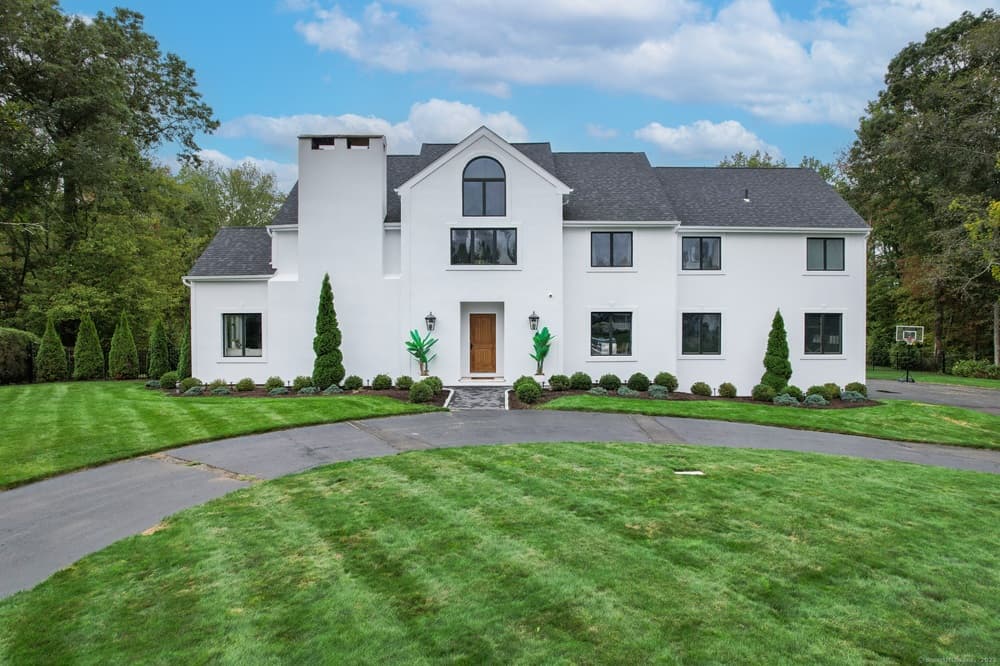
The Connecticut residential real estate market is showing signs of normalization after years of volatility, with gradual interest rate reductions and stabilized inventory levels creating what market participants characterize as a healthier transactional environment. Rob Marucci, broker-owner of Better Living Realty LLC, reports that the market has moved away from the multiple-offer scenarios and rapid price appreciation that defined recent years, settling into more familiar patterns. "The market actually feels a little bit more normal," Marucci explains. "The prices aren't going through the roof anymore. You're not seeing multiple offers as often, unless someone prices a house really low."
The shift reflects combined effects of increased inventory and measured federal interest rate adjustments. Buyers are now securing mortgages under 6%, a threshold that had proven difficult to reach during the recent rate peak. "I think the federal government has done a nice job with bringing down the interest rates at a gradual pace," Marucci notes. "When they drastically change them up or down, it really shakes up the market. We're trending back towards a healthier market without any drastic changes."
While interest rate reductions provide relief, broader affordability challenges continue affecting buyer capacity. Consumer prices across categories have roughly doubled over five years, compressing household budgets even as mortgage rates decline. "Everything you buy has just doubled over the last five years," Marucci says. "When you put that into someone buying the biggest investment of their life, and now all other expenses have gone up, wages may not have increased enough to make it affordable." The dynamic raises foreclosure concerns as households face sustained pressure from elevated costs across housing, food, energy, and other essential expenses.
Recent mortgage product innovations including 50-year terms signal lender efforts to expand buyer qualification pools, though Marucci views extended terms with skepticism regarding long-term borrower outcomes. "Anytime they do stuff like that, it's not good," Marucci explains. "You're talking 50 years, so if you're 30 years old, you could potentially have a mortgage the rest of your life. The first half of the mortgage, you're paying a lot of interest, very little principal." Extended mortgage terms enable qualification for buyers whose debt-to-income ratios exceed conventional 30-year parameters, though total interest paid increases substantially with term extension.
Waterbury's urban core demonstrates inventory patterns diverging from suburban periphery markets. Single-family listings in the city reached 122 units, a level unseen in recent years, while suburban Middlebury maintains 22 listings consistent with recent ranges. "The inner cities have probably doubled in value," Marucci notes. "The outskirts of Waterbury, inventory is still really low, and prices appreciated, but not as high as the inner cities." The pattern may reflect pandemic-era migration from New York reversing as employers adjust remote work policies. Urban properties attracted buyers seeking transit access, utilities management, and reduced property maintenance, driving rapid appreciation that may now be correcting. "I'm watching it closely because maybe some of the New York buyers are moving back to New York," Marucci says. "I don't know if the values went up too high too quickly, and now people are trying to sell."
Winter traditionally represented slower listing periods, though Marucci recommends sellers avoid seasonal delays in current market conditions given economic uncertainty. "I absolutely would not wait," Marucci advises. "Tomorrow, something drastic might happen. There could be stock market crashes, something that really changes people's confidence in home buying." Winter listings face less competition and may require less exterior preparation than spring properties requiring landscaping updates before marketing. Marucci anticipates price stabilization through 2026 absent significant external market disruptions. Properties have reached what he characterizes as all-time highs with limited upward pressure unless inventory contracts substantially. "I feel like the values are going to completely level off," Marucci says. "I feel like it's going to be more of a level flat market until something changes."